
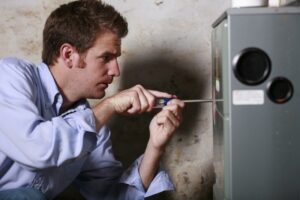
 Winter may seem like it’s lasting exceptionally longer than usual, but soon enough temperatures will warm and we’ll be ready to turn to our air conditioners for reliable service.
In the meantime, you’re still getting quite a bit of use out of your heater. Do you know if it will last until you don’t need it anymore for the season? The best way to ensure its efficient and effective operation is through heating maintenance. If you didn’t schedule this last fall, now is the time! Unless your heater is broken down beyond repair, it’s never too late to get this service done.
But even with maintenance, it’s possible that you could have heater repair needs. How can you tell? By watching for the following signs of disrepair.
 While wintertime is still here for a bit, soon enough spring and summer will be here. If you’ve been considering upgrading your outdoor lighting or your backyard setup, now is the time to start thinking about what you want!
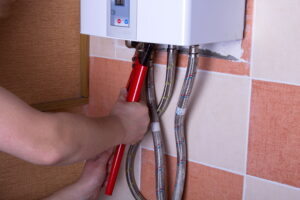 If there is any appliance in the average American home that could be considered the “unsung hero” of the household, it’s the water heater. Think about it—you use yours every day, but do you really think about it much? You likely don’t, until something goes wrong. And when something does go wrong, you probably rush to find a solution, even if it’s not the best solution.
 Have you heard that phrase before—struggle bus? It’s a pop culture term describing when a sentient being is… well… struggling to complete a task or responsibility.
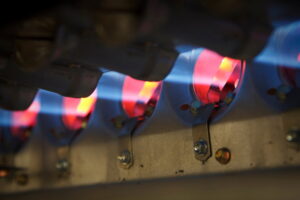 This blog post also could have accurately been titled, “How to Ensure Your Gas Furnace Operates Safely.” That said, we aren’t insinuating that gas powered furnaces are inherently dangerous. We’re not out to incite panic among homeowners. However, not taking care of your gas powered furnace could potentially make it dangerous.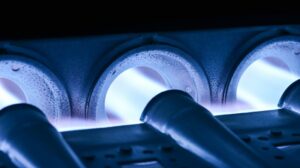
 Earlier this fall, we talked about how
  “Do I really need heating maintenance?”
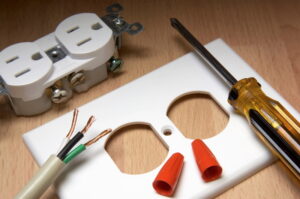 Homeowners have been putting increasing electrical demand on their homes than ever before. You likely have a number of devices connected to your power supply at any time, right? With many power charging stations to handle your portable devices? What are you doing to protect these devices and the rest of your appliances from power surges?